Ten problems in advanced mathematics had resisted the specialists who study them for a living, in some cases for decades. One, a question in group theory, had stood unanswered since 1999. An unreleased OpenAI model called Astra worked through all ten, and the company published the proofs in August 2026. By OpenAI’s own account, the computing power used to find them cost under $2,000.
The problems come from five fields as far apart as geometry and cryptography. Two of the results close out three entries on a list of unsolved problems left behind by the mathematician Paul Erdős. Different as the fields are, each problem has a precise answer that specialists agree on once someone finds it.
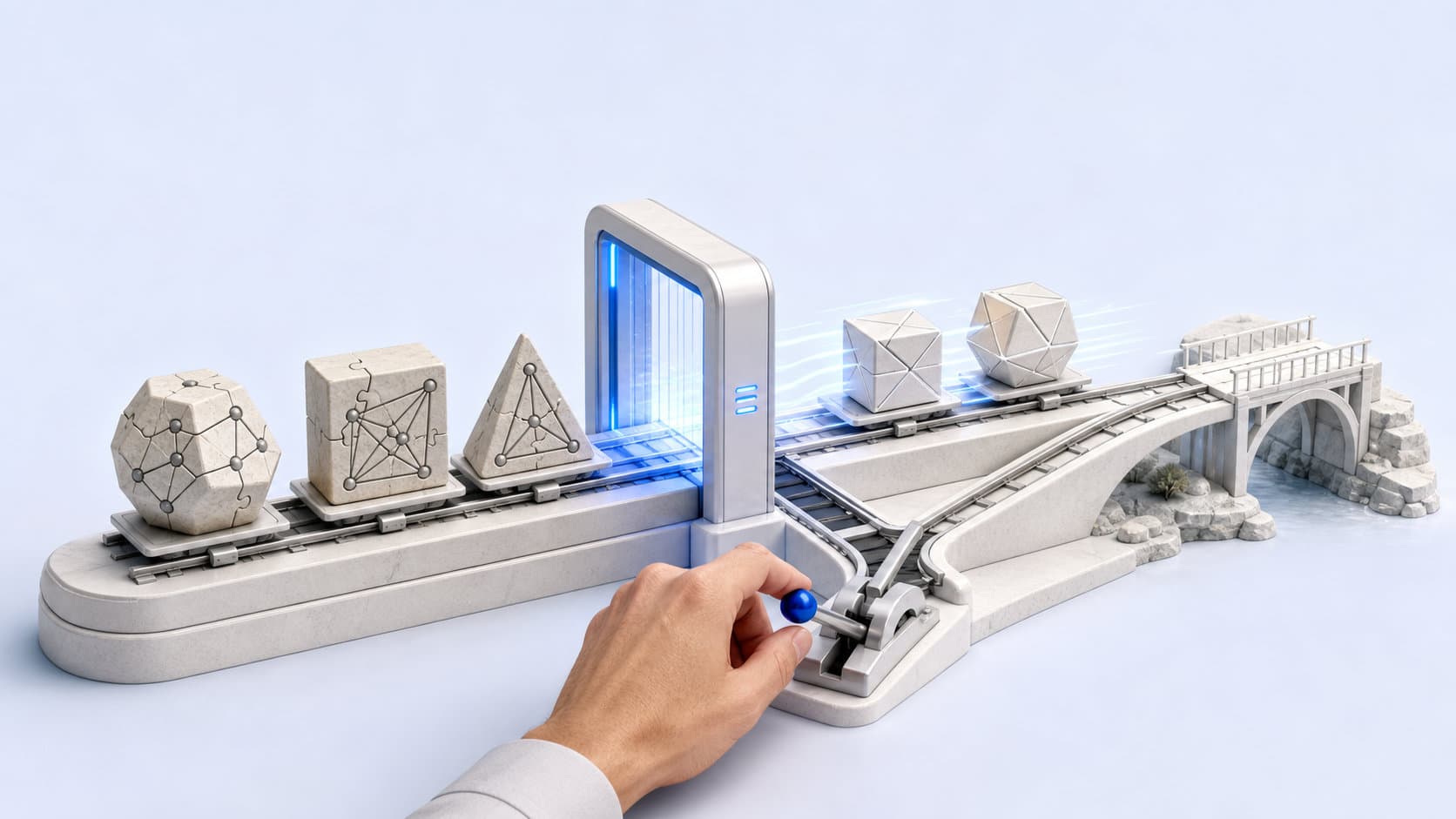
Every step in these proofs gets checked against a fixed rule, and each step either passes or fails. A line of code gets checked the same way, because it either runs correctly or it doesn’t. Developers train AI systems in stages, and in the refining stage one of two methods judges the answers. In one, a person compares two answers and picks the better one, a call shaped by taste and opinion. In the other, a machine runs a fixed test on its own, with no person needed. Problems with a clear right answer are where the second method excels, which is why AI improved so fast at writing code and then at advanced mathematics.
The method stops at judgment calls without a clear right answer, such as weighing a good decision or a fair outcome, however much computing power goes in. Even inside mathematics, the effort had limits. OpenAI researcher Noam Brown wrote on X that none of the seven Millennium Prize Problems, considered the hardest open questions in the field, gave way. He added that the team had not spent much computing power on any single problem and that pushing further was possible.
Each of the ten proofs arrived with a file the model generated to check its own logic step by step. When the proofs came out, mathematicians outside the project had yet to confirm that the results held up under the close checking that peer review provides.