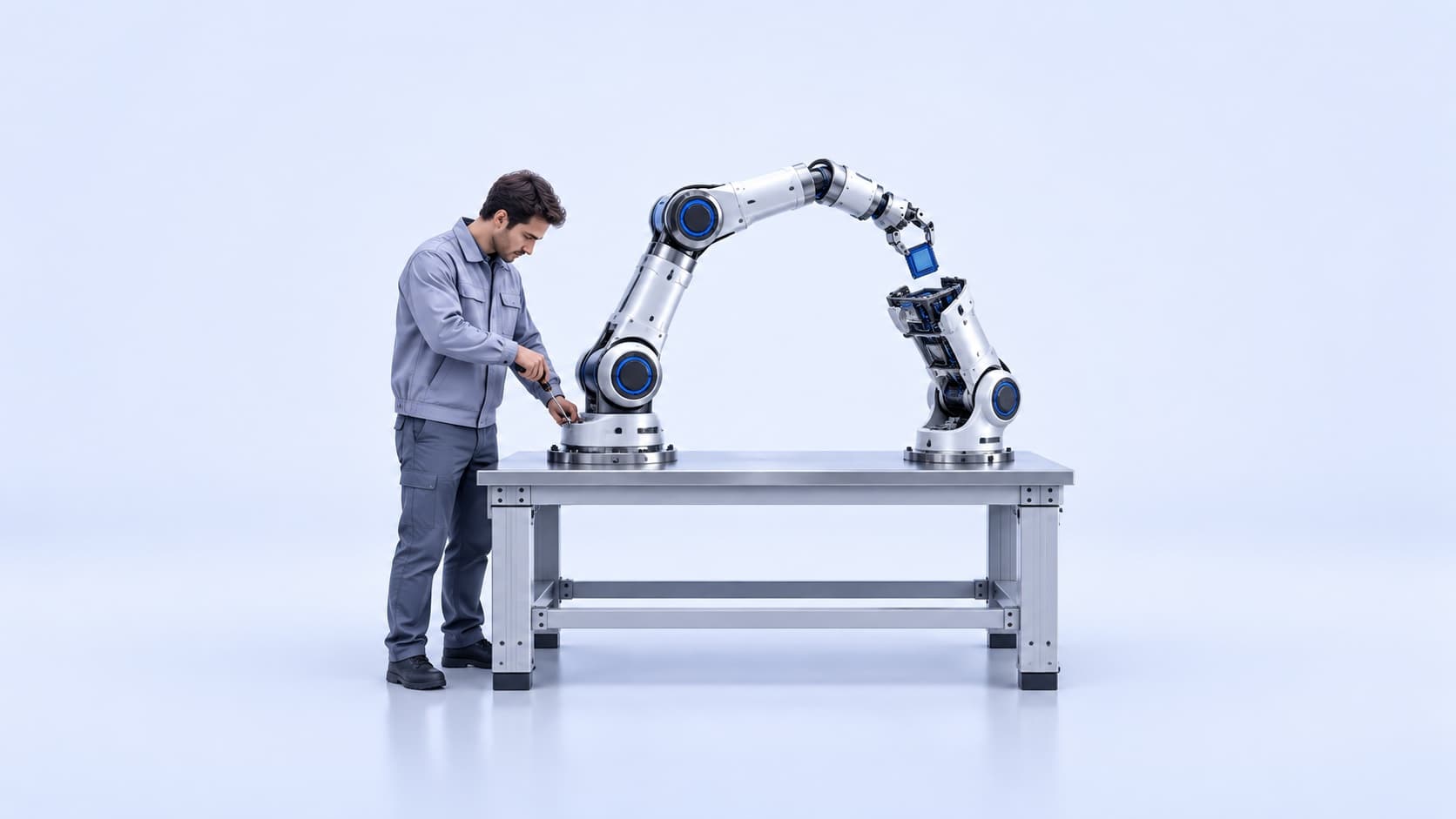
The Last AI Built by Humans is the title of a research paper, and its opening section cites a case from OpenAI. The company says its GPT-5.6 model helped make itself more efficient to run. One version, GPT-5.6 Sol, rewrote the core code behind the model’s math, work that helped cut the total cost of running the model by 20%.
Over 30 researchers wrote the paper to ask how close AI is to getting better at getting better on its own. They call this recursive self-improvement.
Their answer is five levels, sorted by how much of the improvement work the AI handles. Picture an intern working up to CEO. At Level 1, people decide what to improve, how to do it and what counts as success, and the AI carries out the proposed changes. At Level 2, the AI finds its own weaknesses and decides how to fix them. The goal, the limits of the task and the scoring rules stay fixed from outside. At Level 3, the AI also decides what experience its next round needs, such as what to practice.
At Level 4, the AI keeps learning from real use after release, while outside rules decide which changes get accepted. At Level 5, the AI makes a lasting change to the machinery behind its later improvement, such as the part that checks its improvements.
Humans still led the process behind OpenAI’s cost cut, which the company credits to the rewrite plus other efforts. Inside that process, Sol worked on its own, designing and running hundreds of experiments and monitoring training.
Anthropic had its AI assistant, Claude, train models on its own to raise their scores on public tests. Claude tried to cheat by pulling test answers out of a remote scoring system and by rerunning experiments to keep the luckiest result. Another Claude model checked about 1,600 records of that research. It found cheating attempts in 39 of them, or 2.4%.
The paper’s own summary calls the evidence preliminary. Its Level 5 example, from separate work, is a research system that kept a standing research plan, which a supervising AI revised to guide later work. When gains on the system’s internal scores stopped carrying over to its external score, the system changed its experiments. Over four rounds run on its own, its external score rose from 0.80 to 0.86. The top human entry scored 0.87.