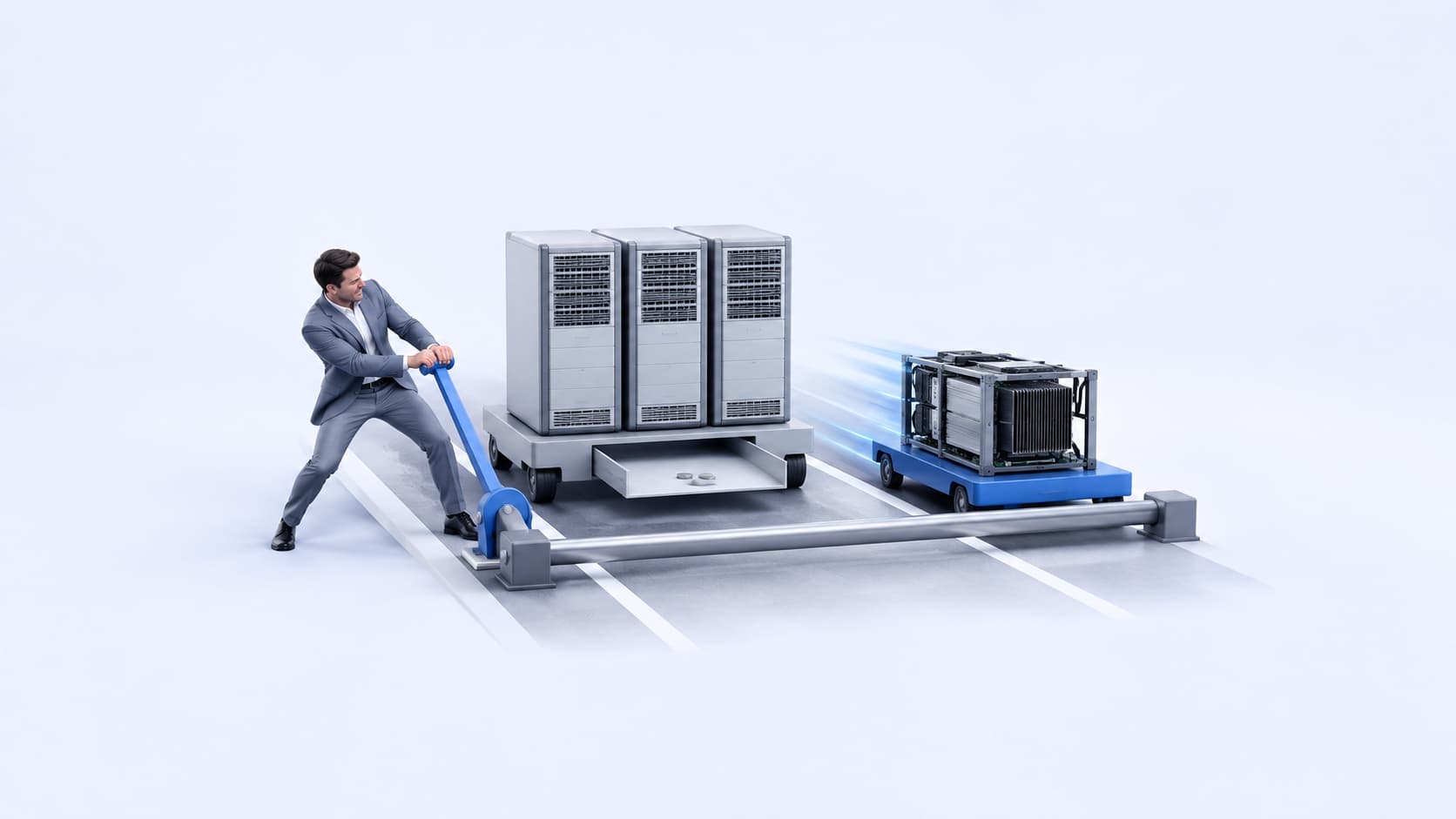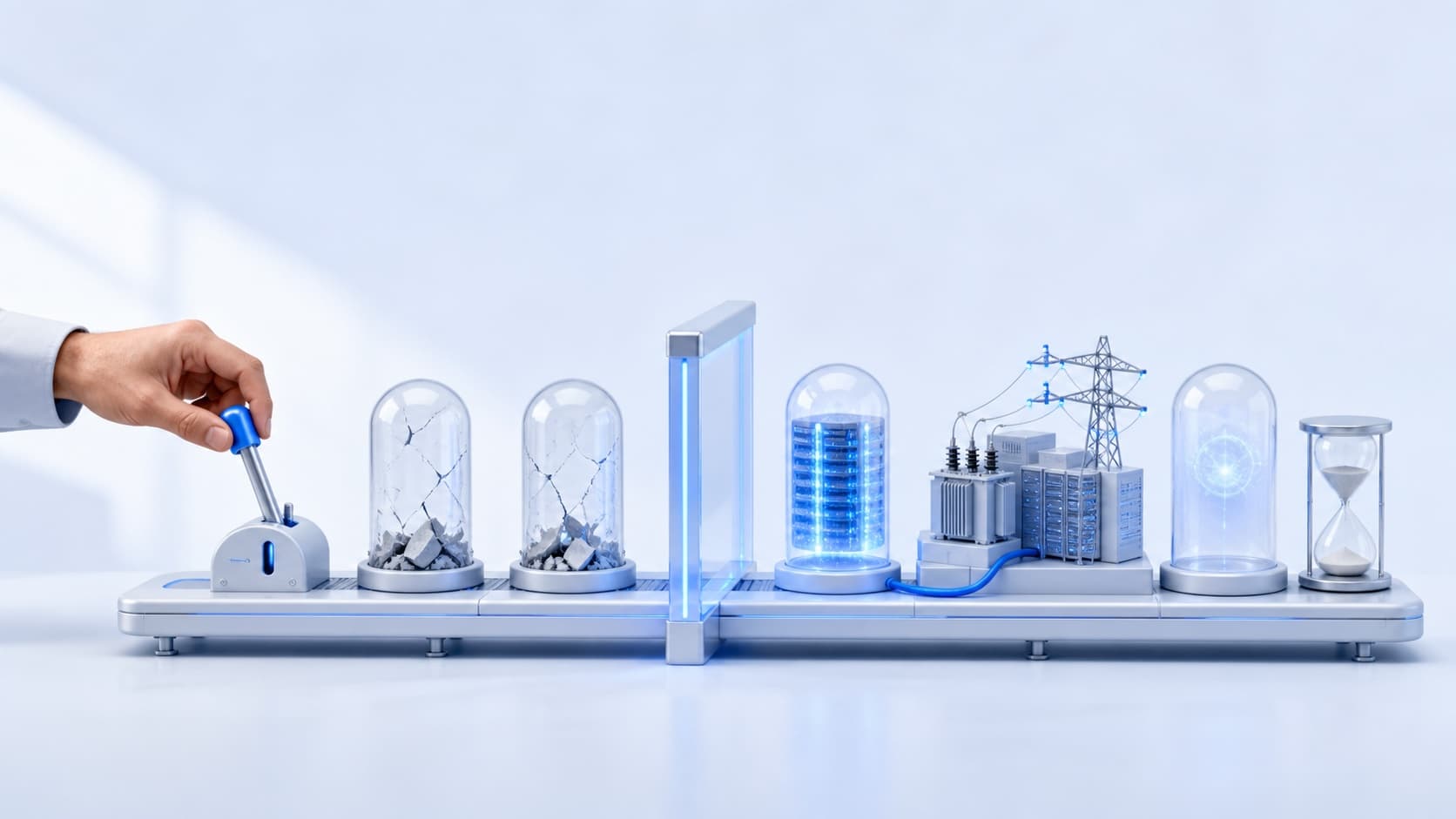
Checked against what had happened by August 2026, the boldest public predictions from AI’s most powerful executives had a rough couple of years. The two loudest, both about how smart AI would become, missed, while two quieter ones, about cost and power, held up. A fifth is still too new to grade.
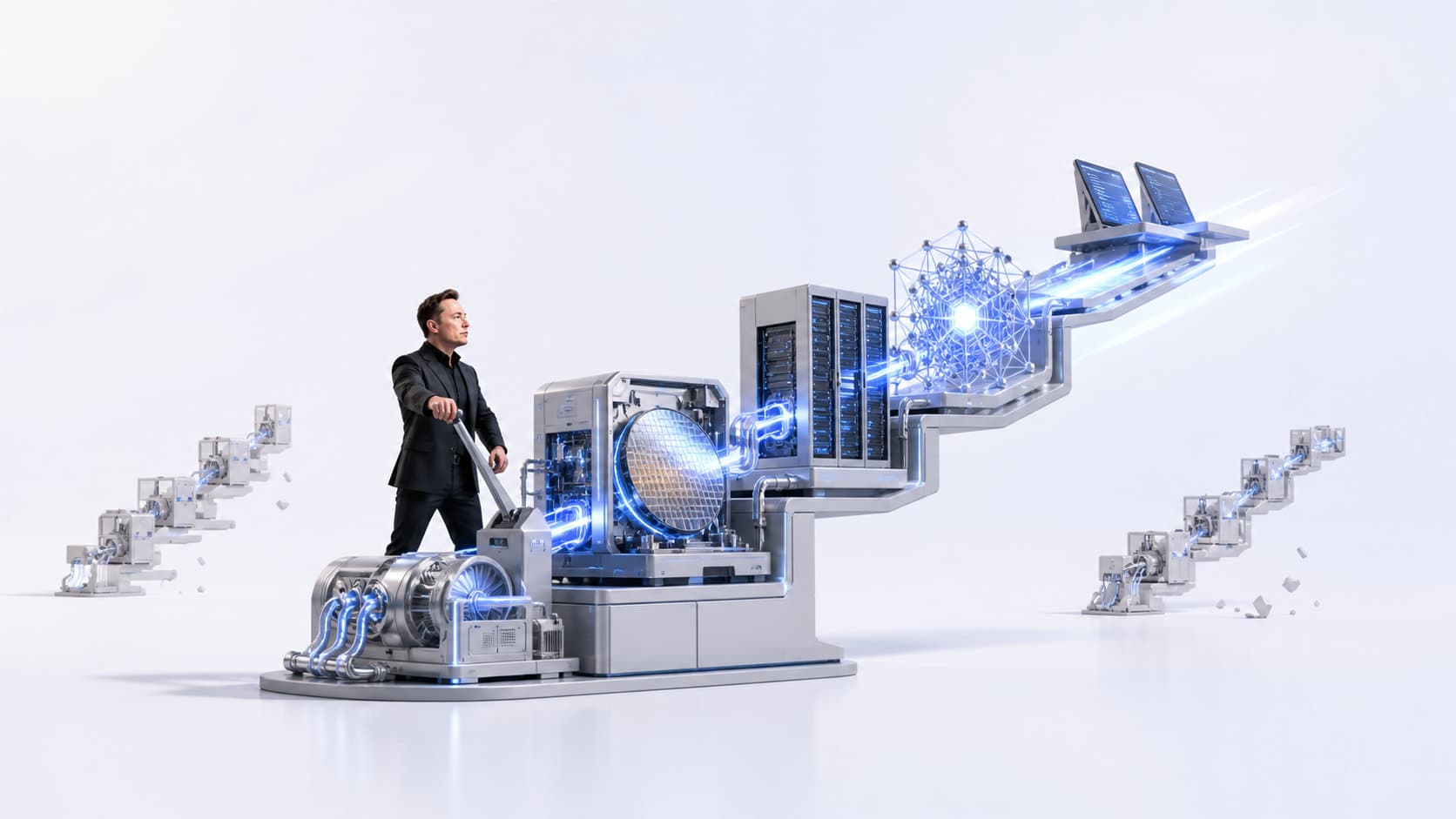
The biggest miss belongs to Elon Musk. “My guess is that we’ll have AI that is smarter than any one human probably around the end of next year,” he said in an April 2024 interview. The end of 2025 has passed with no such system. Musk has since pushed the timeline into 2026.
A second confident number came from Anthropic’s chief executive, Dario Amodei. Speaking in March 2025, he said AI would be writing 90 percent of all code within three to six months. Six months later, the software industry was nowhere close. Even inside Anthropic, a detailed count found AI writing close to 90 percent of the code only on a few teams, and nearer to half company-wide.
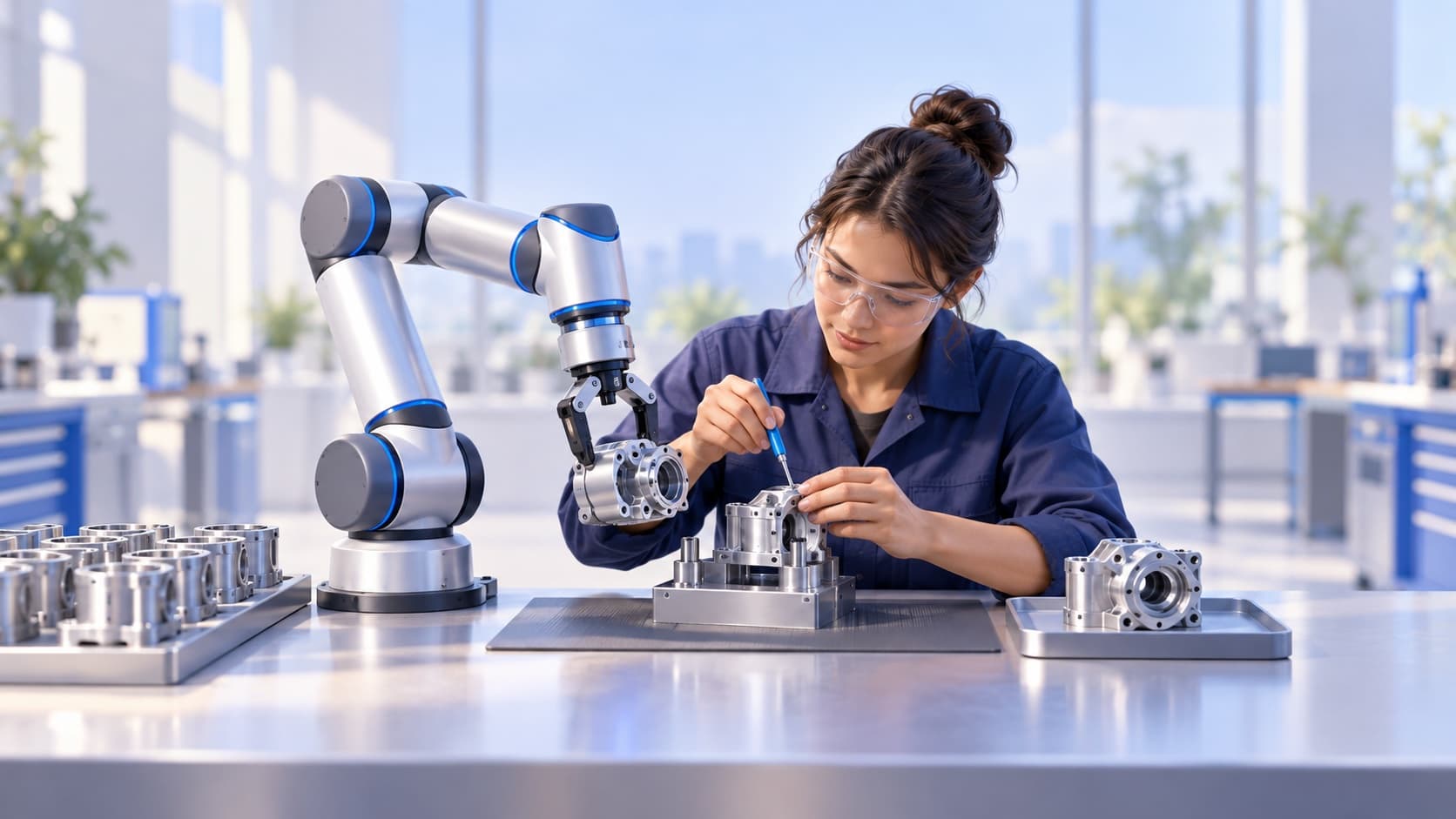
The first quieter prediction came from MIT researchers, who priced out automating work that depends on recognizing images, such as visual inspection or sorting. Counting the full cost of building and running the automation, their 2024 analysis found people still cheaper than an AI system for 77 percent of that work. More than a third of US jobs included at least one such task that AI could technically handle. Only about 8 percent of those jobs would save enough money to justify the switch. The finding undercut the job-loss predictions of the time, and hiring since has matched it.
That same April 2024 interview produced the other prediction that held up. Asked what would hold AI back, Musk pointed past the chip shortage to electricity. About half of the large US data center projects due online in 2026 have been delayed. Most were held up by shortages of the electrical equipment that gets power to the site. One such part, a transformer, once took about two years to deliver and can take up to five.
The one prediction left belongs to OpenAI’s Sam Altman. In a September 2024 essay, he wrote that AI able to outperform humans at nearly everything could arrive in “a few thousand days.” Stretched out, that gives the claim until around the early 2030s to resolve.