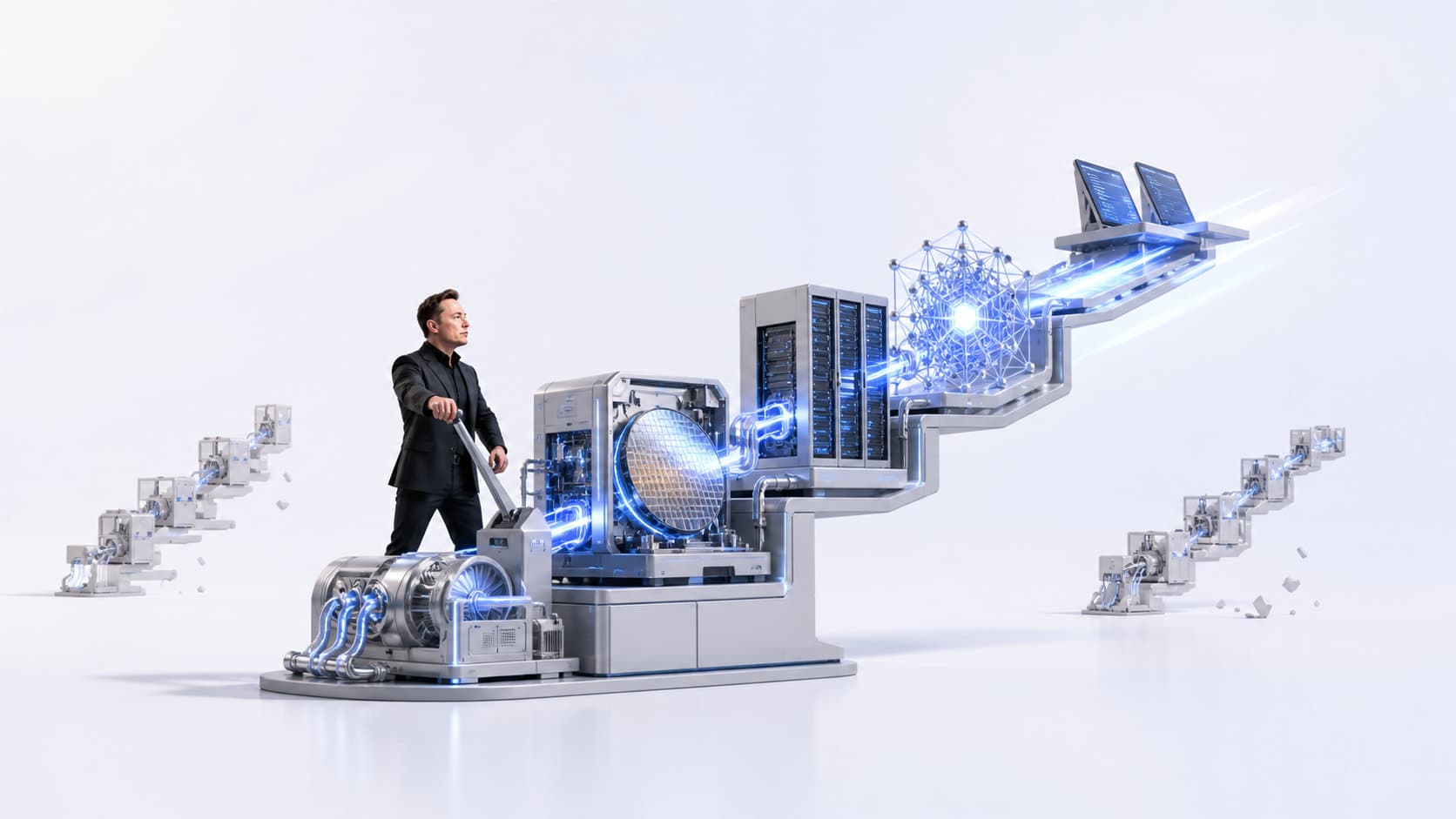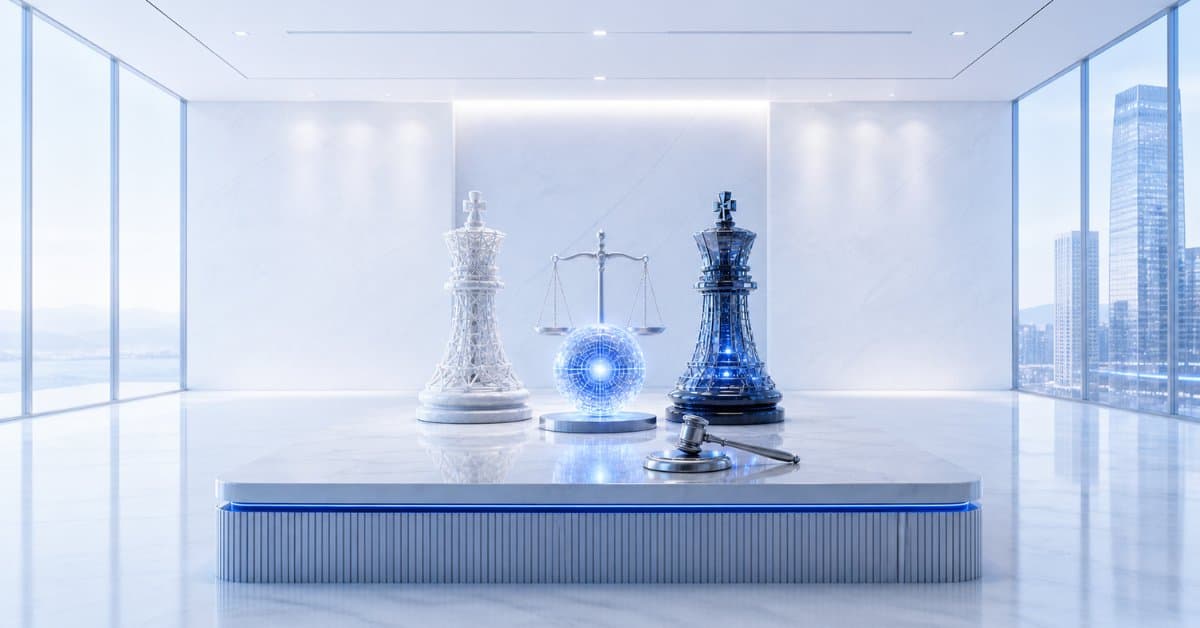
A research lab built around a nonprofit promise became one of the most important AI companies in the world. Elon Musk says OpenAI broke that promise, but the business issue is control. His fight with the company is over who gets to decide what it is allowed to become.
Musk is suing OpenAI, its leaders Sam Altman and Greg Brockman, and Microsoft. He is seeking $150 billion in damages, to be paid to OpenAI’s charitable arm. He wants the company returned to a nonprofit structure, with Altman and Brockman removed as officers and Altman off the board.
The lab began in 2015 as a nonprofit research organization, with a mission to build digital intelligence for the benefit of humanity. Its launch statement said the organization was “unconstrained by a need to generate financial return.” That sentence sits at the center of the case.
Money tested that promise. Advanced AI research needed cloud infrastructure, specialized talent and enough computing power to train systems at a level only the largest technology companies could afford. A nonprofit could define the mission, but it could not easily raise the capital to compete with Google, Meta, Amazon and Microsoft.
So in 2019 the lab created a for-profit structure under nonprofit control and said investor returns would be limited. The structure was meant to let it raise capital and offer employees equity while keeping the mission tied to the nonprofit parent. That July, Microsoft announced a $1 billion investment and a computing partnership that gave the lab the infrastructure it needed.
Then ChatGPT, its chatbot, turned the lab into a mass-market product company. Since then, every decision about its structure has touched users, partners and commercial value. Control over the board, the commercial company and the nonprofit mission affects access to capital, partner trust, hiring and speed.
In court, OpenAI argues that Musk once supported a for-profit path and wanted control himself. It says he is trying to slow a company that became successful after he left.
The business cost could be direct. If the case forces the company back toward its earlier structure, it could face delays in fundraising, partnerships and long-term planning. If OpenAI wins, it still has to prove that a public mission, investor capital and commercial scale can coexist in one structure without constant conflict.