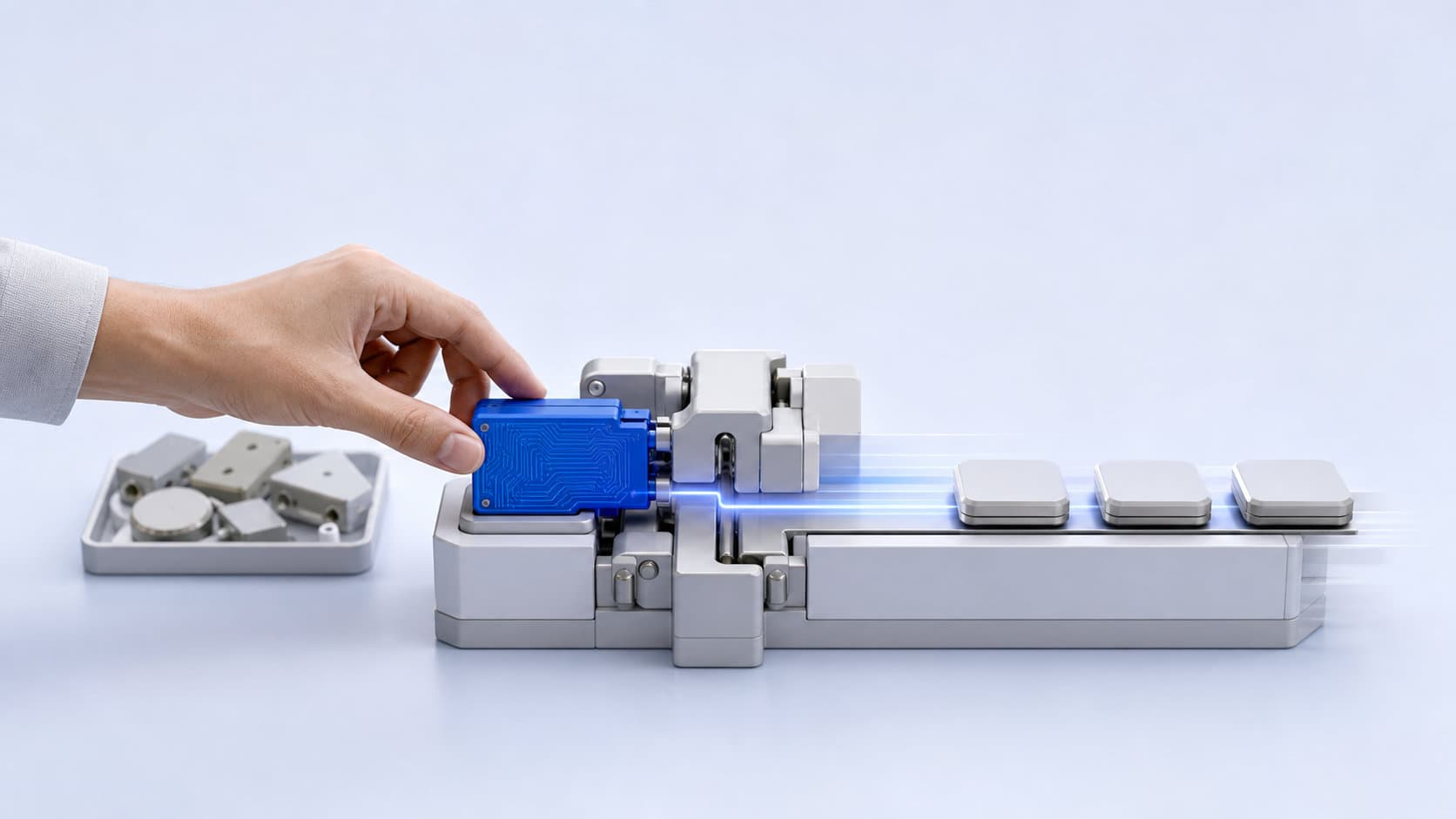
Most companies use AI for routine work: drafts, summaries, simple research and other tasks that already follow a clear checklist. That leaves the larger bottleneck untouched. In many organisations, the real constraint is the founder, specialist or senior operator whose judgement shapes the hardest decisions.
That judgement feels impossible to hand over because it has no formal method. It can feel like instinct built over years of experience. Instinct, though, is a decision process, made up of priorities, pattern recognition, trade-offs and knowledge that comes from experience and is rarely written down.
Claude, Anthropic’s AI assistant, can learn that process through what the company calls skills. A skill is a set of instructions, packaged in a simple folder, that teaches Claude how to handle a specific task or workflow. Without one, people have to re-explain their preferences, processes and expertise every time.
The work starts small, with one narrow problem that comes up again and again, such as keyword research or diagnosing recurring website issues. Anthropic’s guide says skills work best for repeatable workflows and can often be built and tested quickly.
Then the expert writes down how the decision is made: the steps, priorities, examples and exceptions that normally stay in one person’s head. That write-up usually lives in a SKILL.md file, a plain-text instruction file that Claude can load when the task is relevant or when someone asks for it directly. The first draft does not have to be neat. Supporting material can sit around the core instructions, so messy expertise can be packaged before it is fully organised.
Next comes testing on live work, where Claude will get things wrong, sometimes badly. Each mistake shows where the instructions fell short, so the expert explains the better judgement and folds that correction back into the skill. Anthropic describes skills as living documents that improve through feedback. Over time, Claude stops acting like a general assistant guessing from broad training and starts reflecting the way one expert handles a specific class of decision.
Once a recurring judgement is captured and refined enough to be trusted, the company has to stop and wait for its expert less often. The team can move faster, and quality can become more consistent. More of the expert’s time goes to the exceptions and higher-value decisions that still need a human hand.