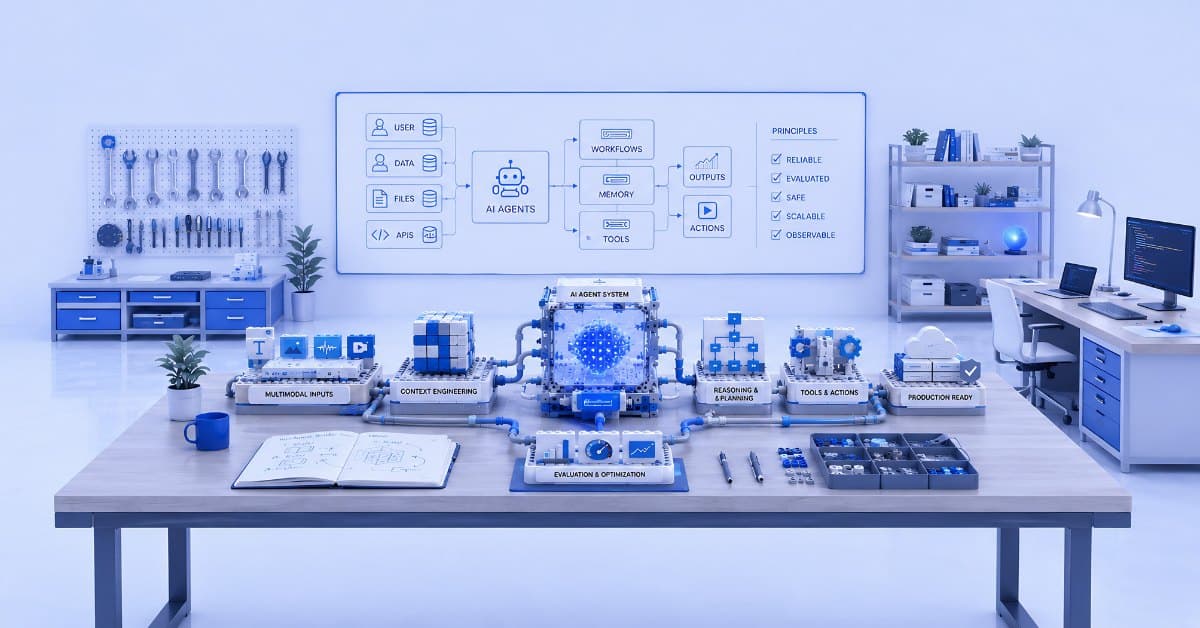
The biggest changes in AI increasingly come from making models smaller, more focused on one task, easier to control and easier to build into real business processes. For leaders, that changes who has the advantage in the next phase of AI. It belongs to the companies that can put the right system into the right process, at the right cost and with the right controls.
Instead of one giant system trying to do everything, companies are building smaller models for narrow tasks in finance, healthcare, legal work and software. These models are easier to adapt and cheaper to run, and when the task is specific they are often more accurate too. That means better cost control, faster rollout and more reliable output in work where precision counts for more than breadth.
A company can also run some AI models on its own systems, which can lower its costs. These open-source models, such as Meta’s Llama, IBM’s Granite and DeepSeek’s V3, make it easier to avoid relying entirely on one major AI provider. They give a company more say over where its AI runs, how its data is handled and how its spending is managed.
AI is taking on more of the work inside everyday operations. Systems that can plan tasks, use software tools, connect to other programs and complete whole workflows are known as AI agents. Alongside them, AI assistants that work with staff are rapidly becoming common in offices, helping people analyse data, produce reports and cut repetitive work. That is why 2026 looks like a year of deployment.
Regulation raises the standard for how these systems are built and supervised, so governance is becoming part of putting AI to work. Oversight left until the end can turn compliance into delay.
The European Union’s law on artificial intelligence, the AI Act, entered into force on 1 August 2024. Most of its rules apply from 2 August 2026. The European Commission says the Act reaches companies based outside the EU too, when they offer AI systems in the EU or use them there. For AI systems the Act classes as high-risk, it sets requirements on transparency, safety and human oversight.