The AI race that counts is about who can deliver AI at a lower cost per task, with predictable performance, built quickly into everyday work. That decides margins, service quality, speed to market and who can keep investing when the cycle turns. On those terms, Google might win it.
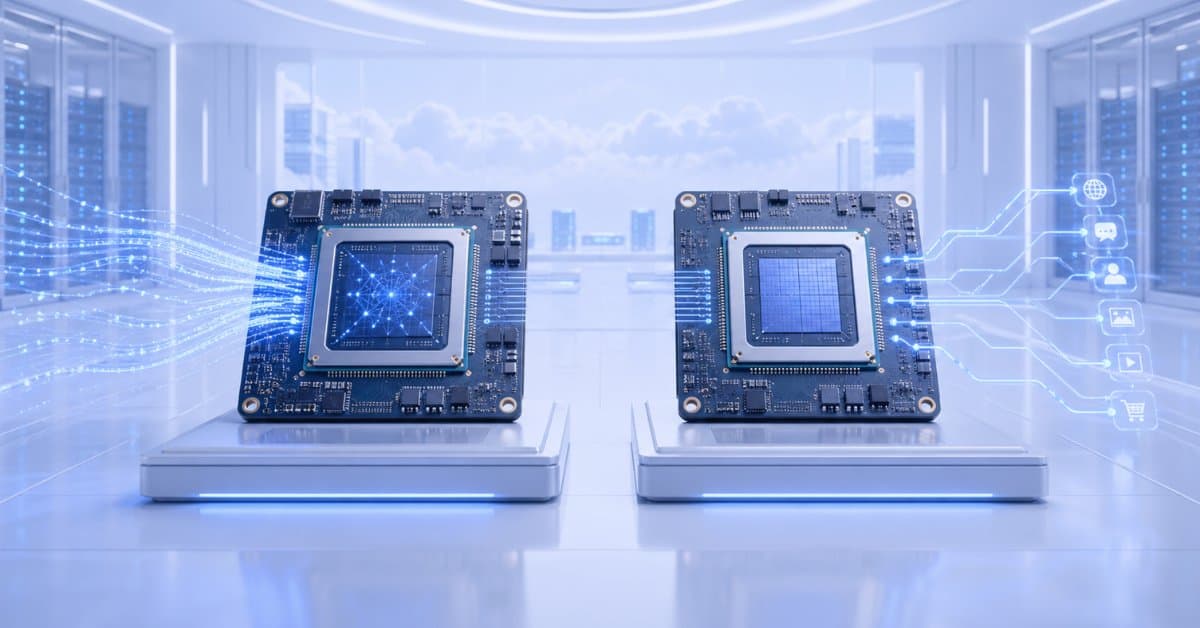
Its greatest advantage is structural. For years it has built its own AI chips, called TPUs, instead of relying on off-the-shelf parts. The TPU design is built around what counts in daily operation: volume, energy use and predictable response times. For a business, that lowers what each task costs and firms up service guarantees.
In AI, cost is no rounding error. Running modern models is an operating bill that grows with every use. The TPU paper also finds that chips which behave the same way every time meet strict limits on the slowest responses better than chips built for average speed. That means fewer incidents, fewer extra safeguards and less spare capacity bought to hit performance targets.
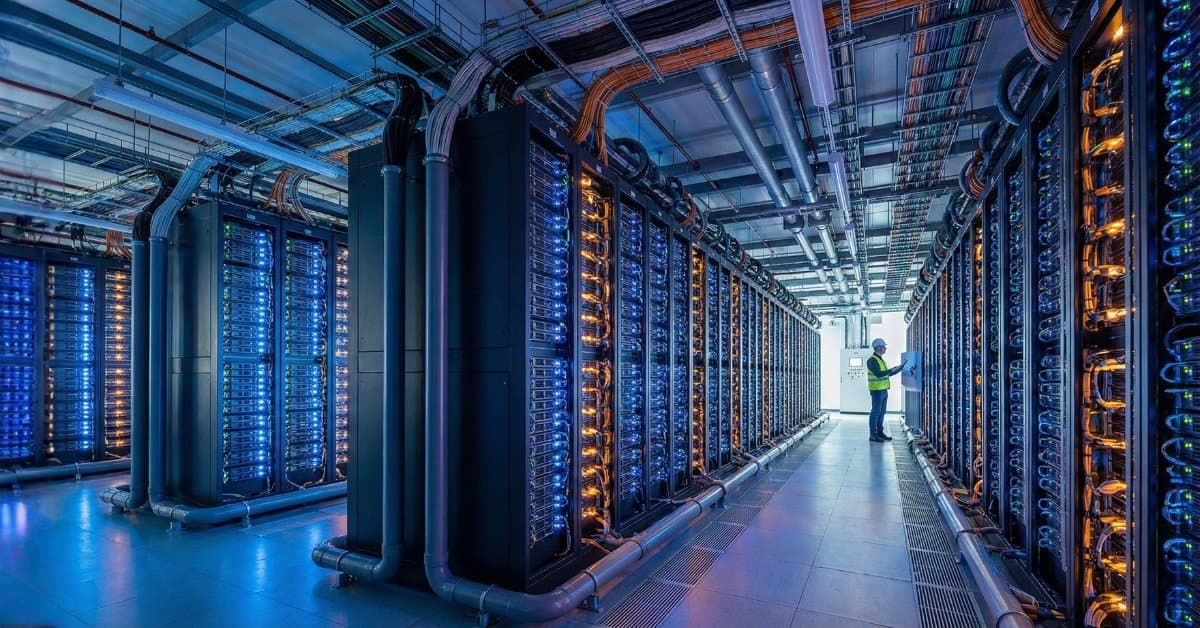
Capital adds to the advantage, because AI infrastructure is a long-haul investment. Alphabet, Google’s parent company, reported 2024 free cash flow of $72.8 billion and $96 billion in cash and marketable securities. That money pays for steady spending on computing power, networks and data centers, with room to absorb short-term waste while long-run costs come down.
Distribution is the next lever. AI that arrives inside products people already use costs less to adopt and spreads faster, with less training and less change to manage. Wide use also tightens the feedback loop, so quality and stability improve faster than they would in isolated pilots.
Research depth adds speed. Google researchers introduced the basic design behind many AI models, called the transformer, in a 2017 paper. It let a model take in every word of a text at once rather than in sequence, which cut the time needed to train strong models. A company that keeps producing basic methods like that relies less on outside breakthroughs and gets from research to product faster.
For buyers, the same economics argue against tying strategy to a single vendor. Suppliers that build their own technology from the chips up can change their cost base faster than those buying each part at market price. A buyer gains from that only while its own switching costs stay low.