Anthropic, an AI lab, is the biggest outside buyer of Google’s own AI chips, and it cannot afford them. The lab, which Google has already backed with billions of dollars, has no credit rating and owns no data centers to hold the chips. It also has nowhere near enough cash for hardware worth tens of billions of dollars.
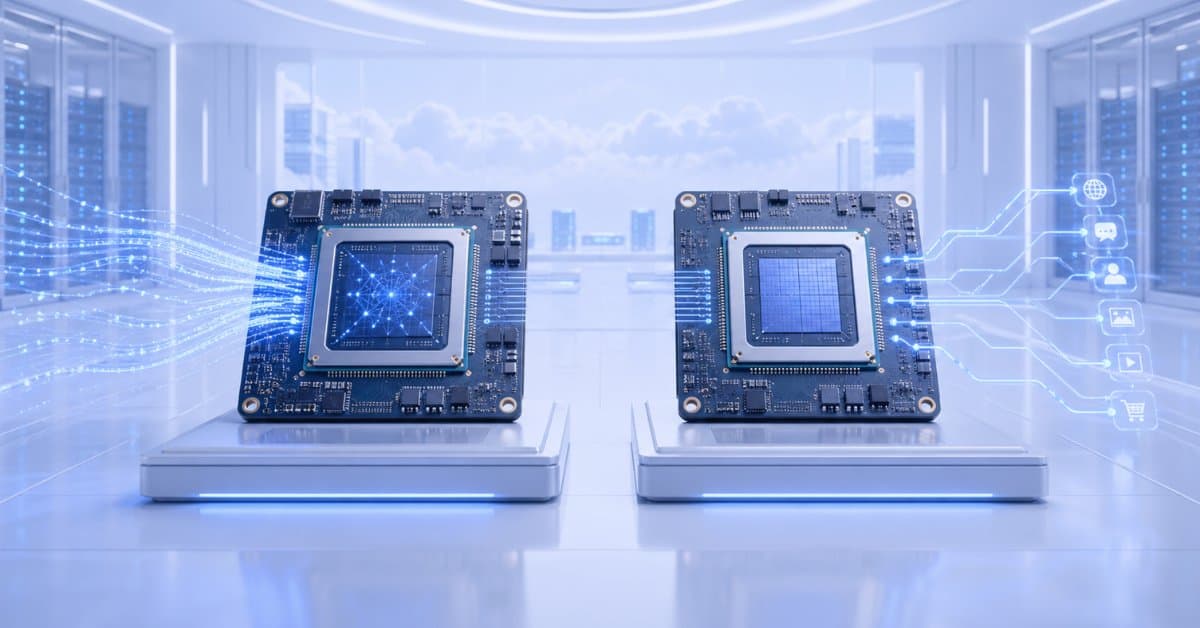
The chip is called the TPU, and Broadcom, a chipmaker, helps turn the designs into working hardware. For years every TPU stayed in-house. Selling them to Anthropic meant fixing each of the lab’s problems before a single chip changed hands. Google’s answer was one of the largest infrastructure financing deals ever put together.
First, the chips needed somewhere to go. Google guarantees the rent and power bills on the lab’s data centers. If those bills go unpaid, its own promises are on the line. Lenders would not put money into an unproven AI company without that kind of backing.
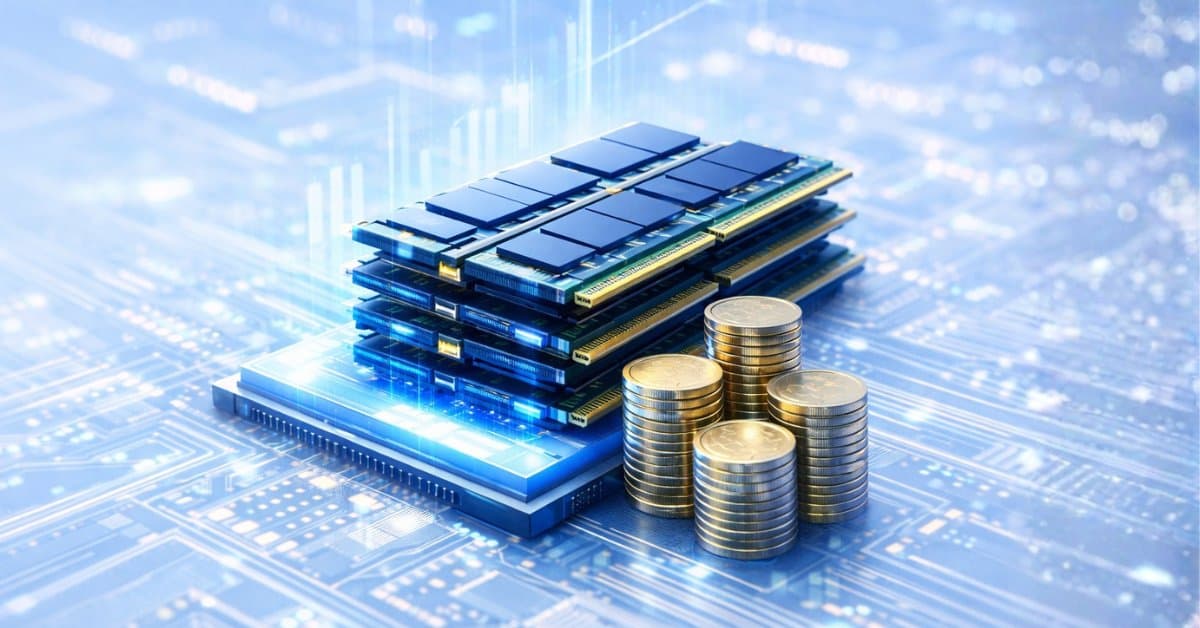
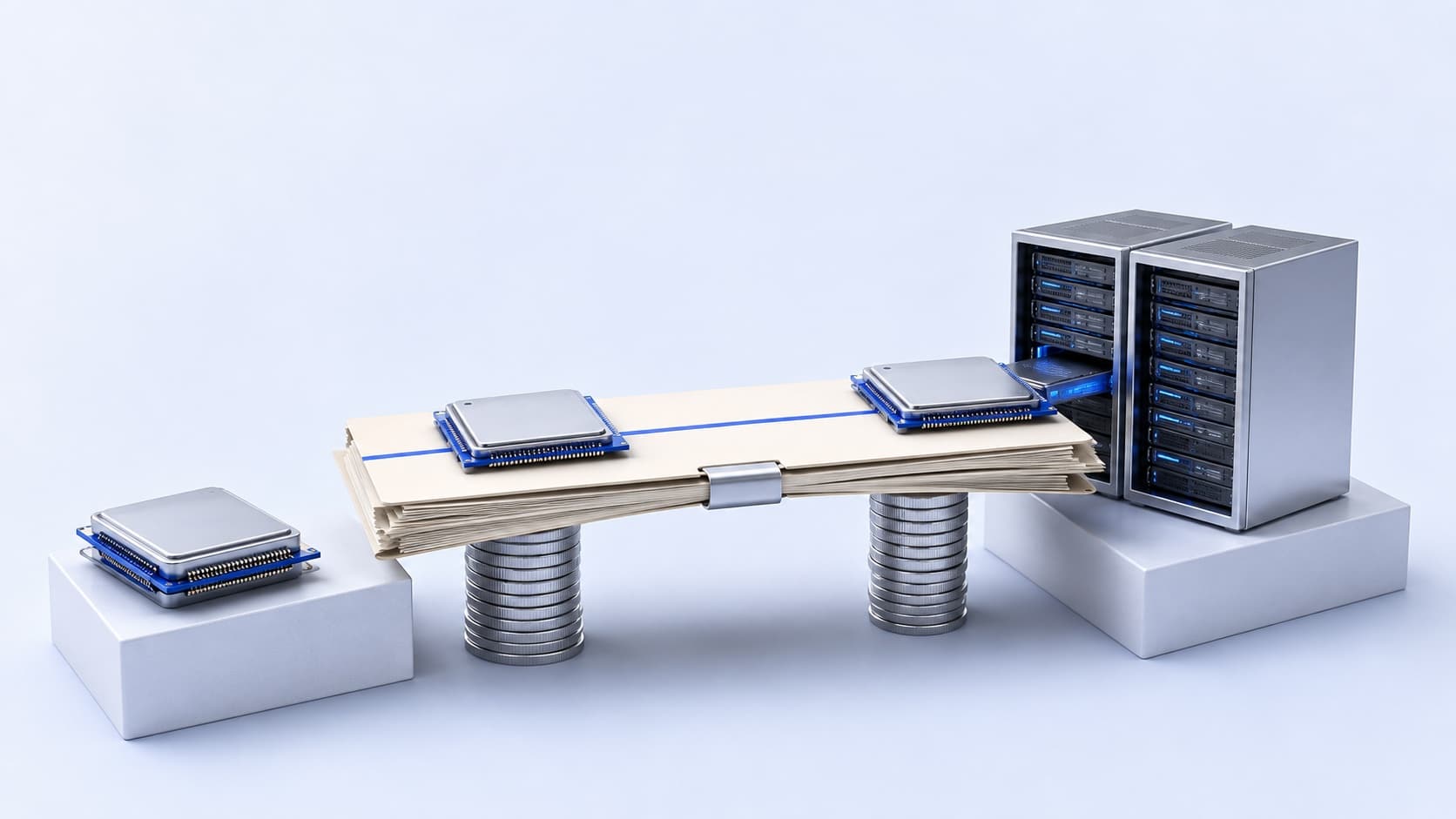
Paying for the chips was harder. Broadcom buys the finished TPUs and sells them to a separate company set up only to hold them. Anthropic rents the chips from that company, and the rent repays the debt used to buy them. Broadcom also guarantees the largest part of that debt. If the payments stopped and reselling the chips did not cover the loss, Broadcom would pay the difference. Without that guarantee, there would be no order and no sale.
In June 2026 the holding company paid $35 billion for the first batch of about a million chips. Once running, they will draw more than a gigawatt of power, about the output of a large power plant. Private credit firms Apollo and Blackstone lent the money.
Later batches are expected to follow the same route. Anthropic is set to add roughly five gigawatts of newer chips in 2027 and is expected to add another ten gigawatts in 2028.
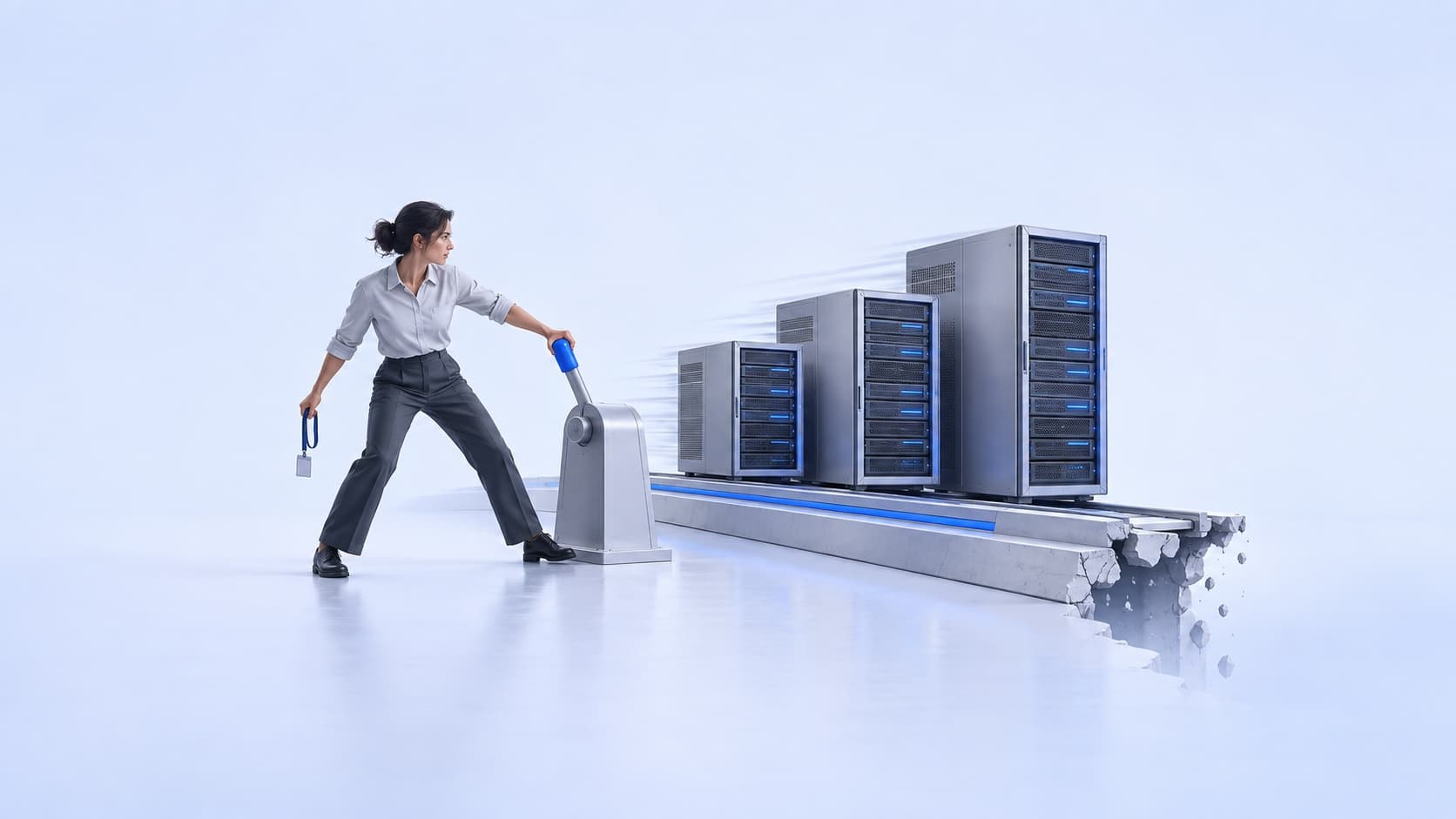
Google has said its own supply of data centers and power cannot keep up with demand from its products, research and cloud business. That is before counting the chips promised to outside buyers. Every one of those gigawatts needs a building, a power line and a crew to install the hardware.