At several US college graduation ceremonies in spring 2026, speakers were booed after mentioning artificial intelligence. Former Google CEO Eric Schmidt was interrupted at the University of Arizona after saying AI would touch every profession, classroom, hospital, laboratory, person and relationship. Gloria Caulfield was booed at the University of Central Florida after calling AI the next industrial revolution.
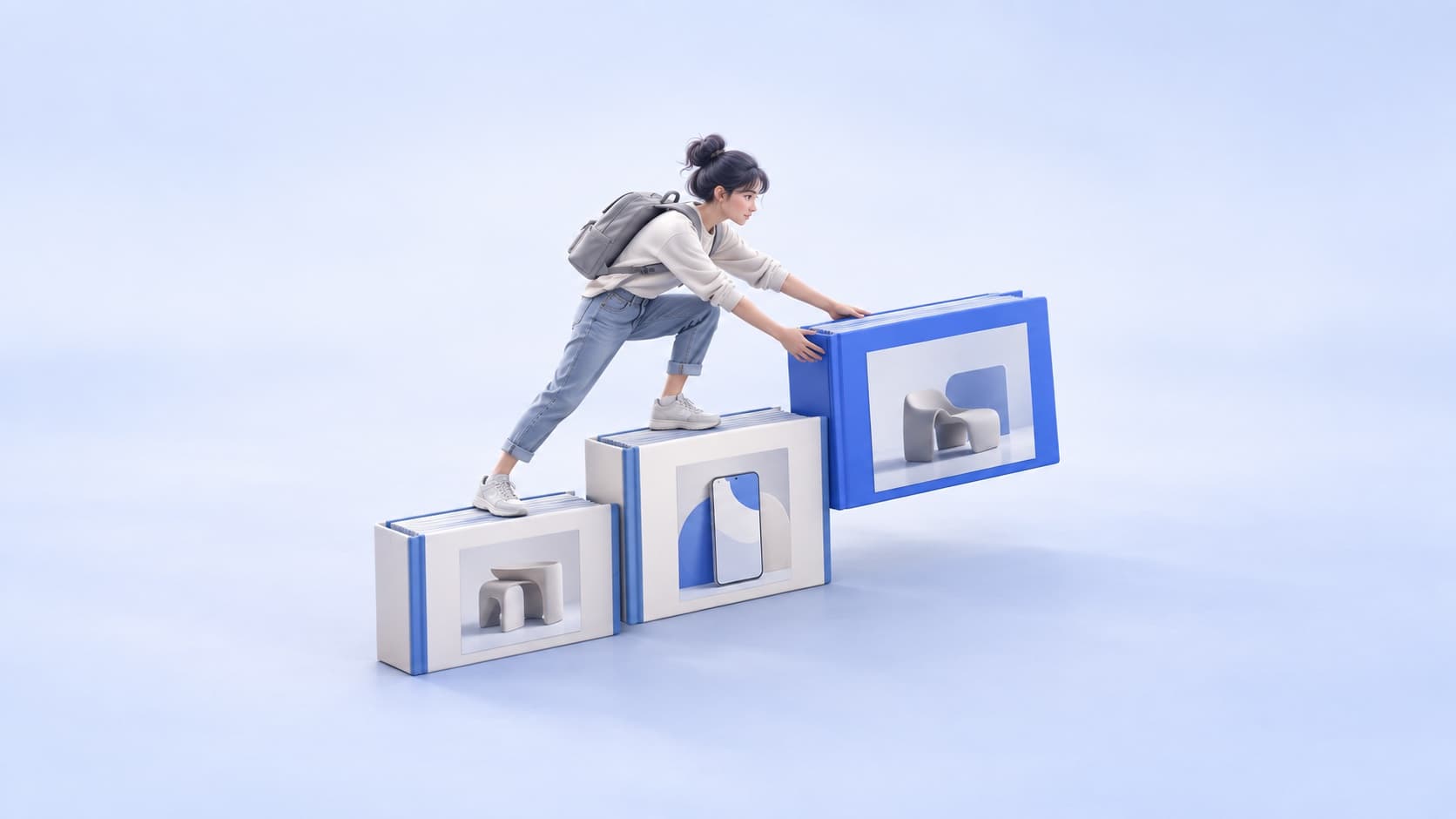
The reaction came from a clear fear about work. These students sat in graduation gowns, about to enter a job market where many already worried that the first step into work was getting weaker. The speakers were saying AI is a tool and every career will have to deal with it. That may be accurate, but many graduates heard a warning that the work they trained for may already be changing before they get hired.
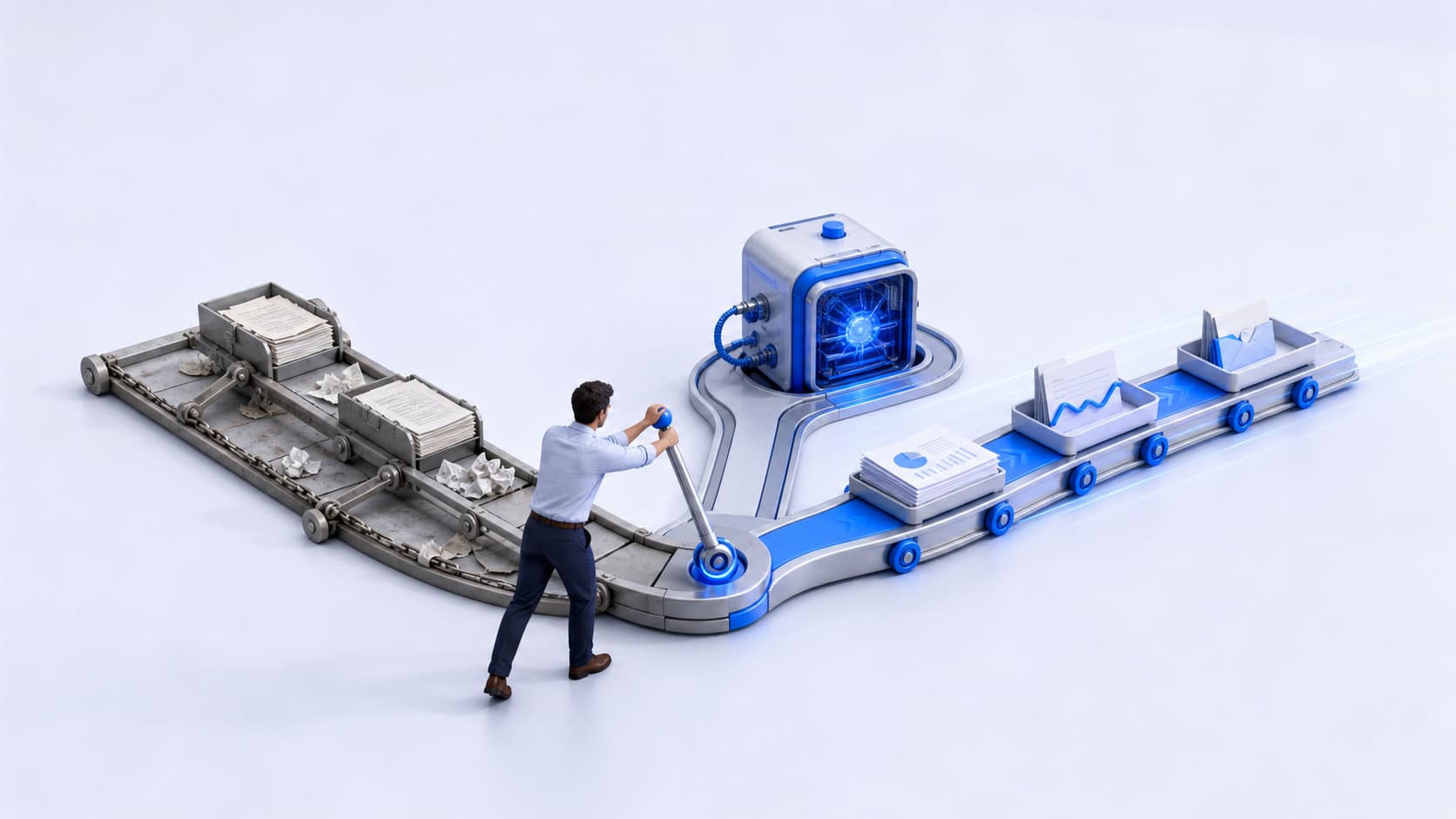
Entry-level work is where people learn to write, research, analyse, communicate and make sound decisions. Those are the tasks AI can help produce faster, which can reduce costs and shorten delivery time. But the same speed can remove the early practice junior staff get, so a company can save time and still damage the way people learn.
A paper by Tyna Eloundou and colleagues supports the concern without claiming every job disappears. It looked at AI systems trained to read and generate language, and found that around 80% of US workers could have at least 10% of their tasks affected. Around 19% could see at least half of their tasks affected, so a meaningful part of a job can change even when the job title stays the same.
Gallup’s Gen Z poll explains the mood behind the booing. A steady 51% of Gen Z say they use generative AI at least weekly, yet familiarity has not made them more confident. The share who feel excited about AI has fallen to 22%, while the share who feel angry has risen to 31%. Anxiety is still at 42%.
The workplace numbers are clearer still. Gallup found that 48% of employed Gen Z workers say the risks of AI at work outweigh the benefits. Only 15% say the benefits outweigh the risks. Gen Z workers also trust work done without AI far more than AI-assisted work.