Most AI works in turns. A person speaks, the model waits, the model responds, then the person waits again. That pattern works when a request arrives finished. In live work, where timing shapes the result, it creates drag.
Real collaboration includes pauses, interruptions, screen changes, corrections and half-formed thoughts. Turn-based systems often miss those cues because they wait for a completed turn, so even a useful answer arrives late. That lateness shows up in customer support, training, translation and live review.
Thinking Machines Lab, the startup led by OpenAI’s former CTO Mira Murati, calls this the collaboration bottleneck. The usual workaround is AI that guesses when a person has stopped speaking, so silence becomes the cue. That is too thin for real work, because a pause can mean someone is thinking, correcting themselves, waiting for help or about to continue.
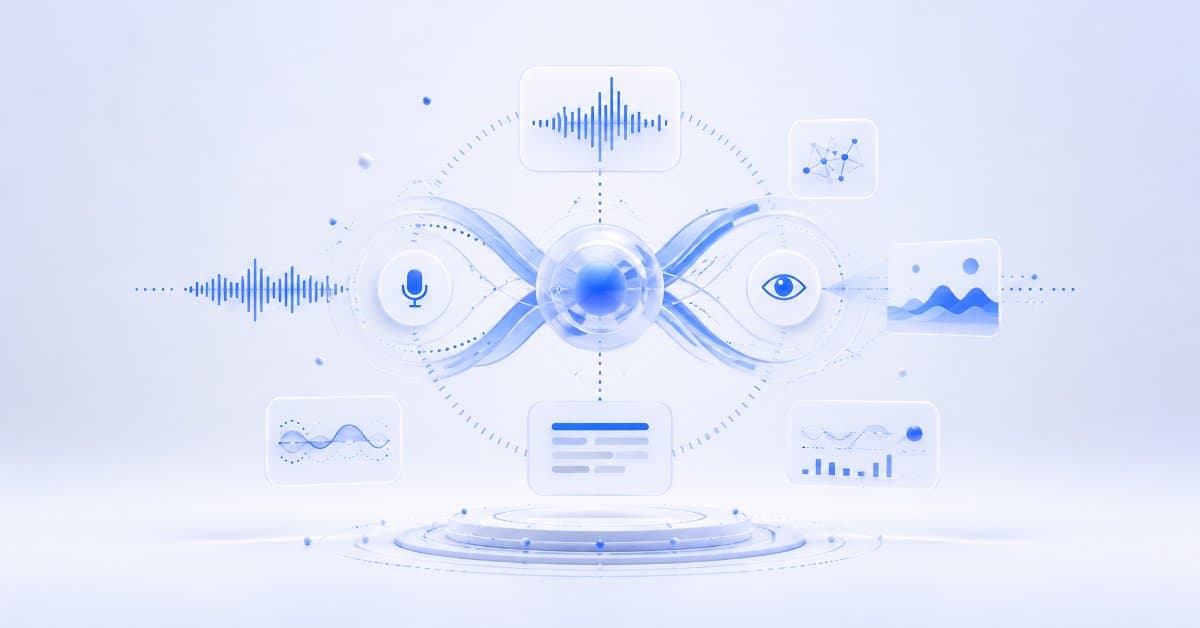
The startup’s answer is a research preview of what it calls interaction models, AI built to handle live exchanges as they happen. Instead of waiting for one completed input, the model works in 200-millisecond chunks. Each chunk is short enough to keep up with a conversation. Sound, video, text and the model’s replies move through one loop, so it can keep listening, watching and speaking as the work continues.
Inside the system, two models run at once. One handles the live exchange, while another works in the background on slower jobs such as searching, using tools and deeper reasoning. That keeps the conversation moving while the harder work continues behind it.
The model can translate while two people keep talking. In the company’s tests, it counted push-up reps as they happened and answered a question the moment the answer appeared on screen. Other models mostly stayed silent or got it wrong, because the tests needed continuous watching, listening and timing.
Speed is the other test. By the company’s measure, its interaction model responds after a delay of 0.40 seconds. A rival in the same comparison, GPT realtime 2.0 at its minimal settings, took 1.18 seconds. In live work, that difference changes how natural the system feels and how quickly people can act.
The company also lists limits. Continuous audio and video pile up information quickly, so long sessions need better ways to handle it, and the short delay depends on a reliable connection. As of May 2026, the model was not available as a general product.