For thirty years, quantum computing kept running into the same wall. The machines sounded powerful in theory but struggled to deliver clear practical advantages. Every time scientists added more of the basic units a quantum computer calculates with, called qubits, the errors went up, so the machines broke down as they grew.
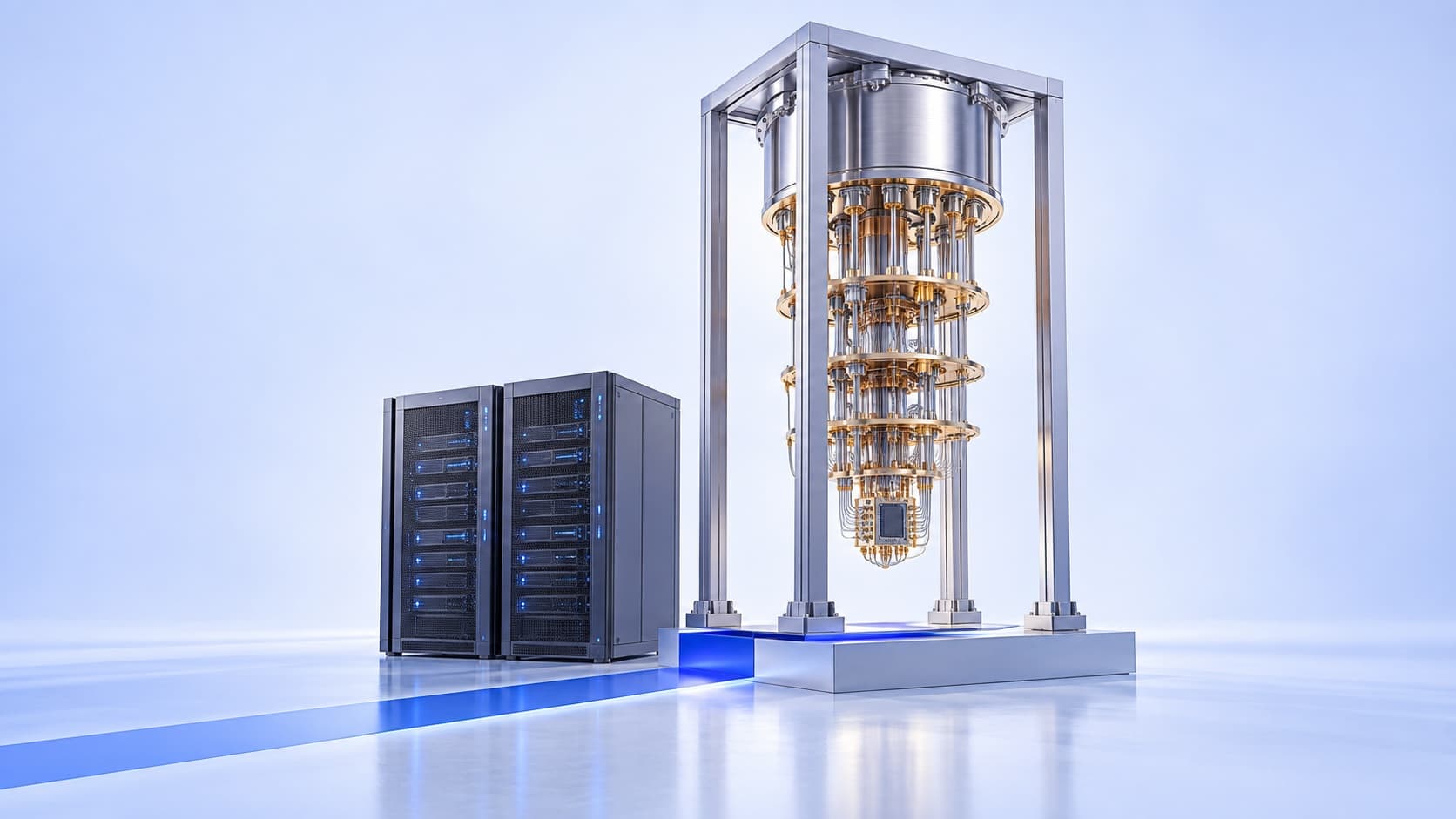
Google’s Willow chip changed that. As the team added more qubits, the errors went down in the information those qubits were protecting. It is as if a WiFi network got better each time more people joined. It should not work like that, yet on this chip it did. Catching and fixing these errors is called error correction, and Willow cracked one of its key challenges.
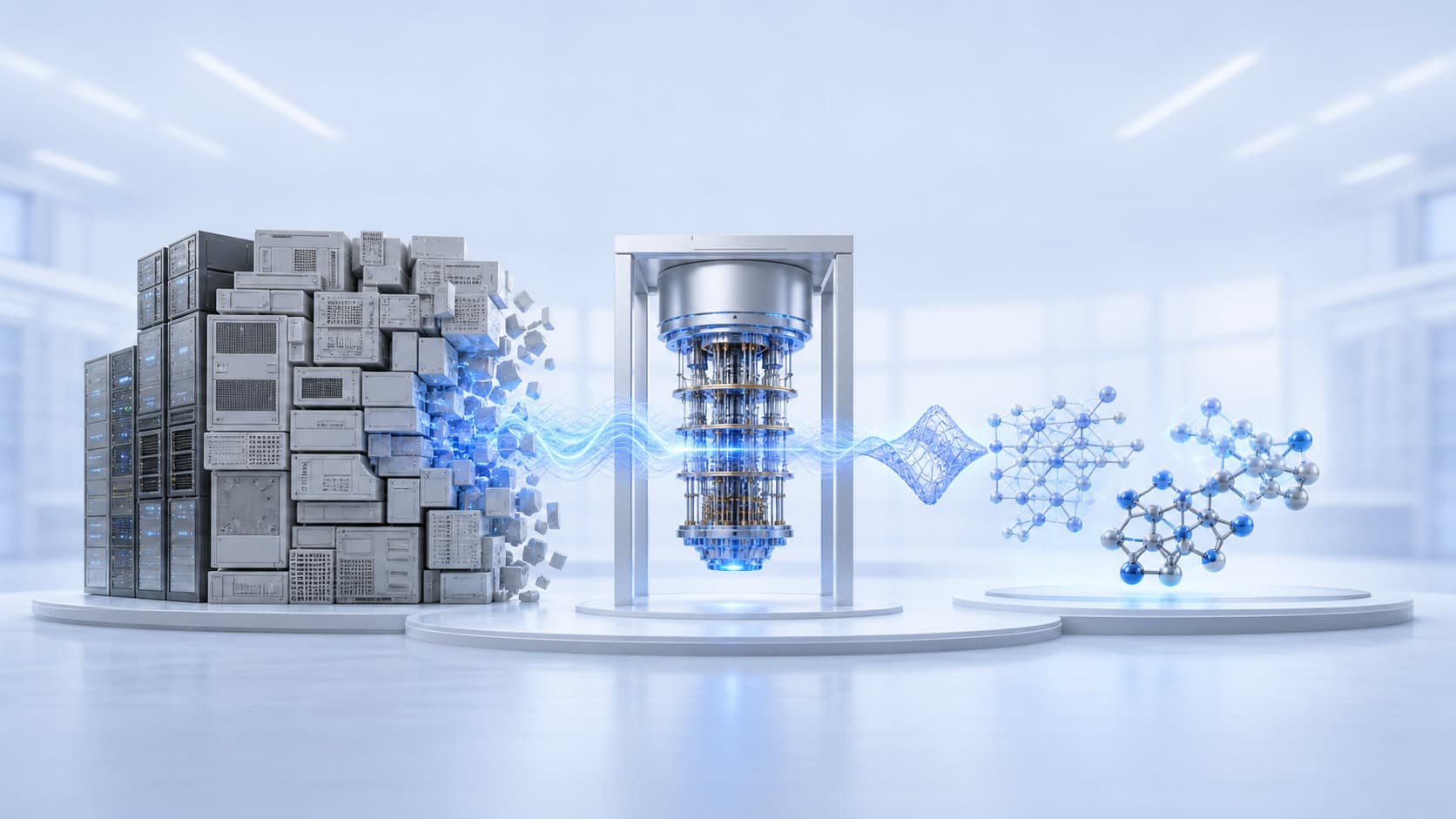
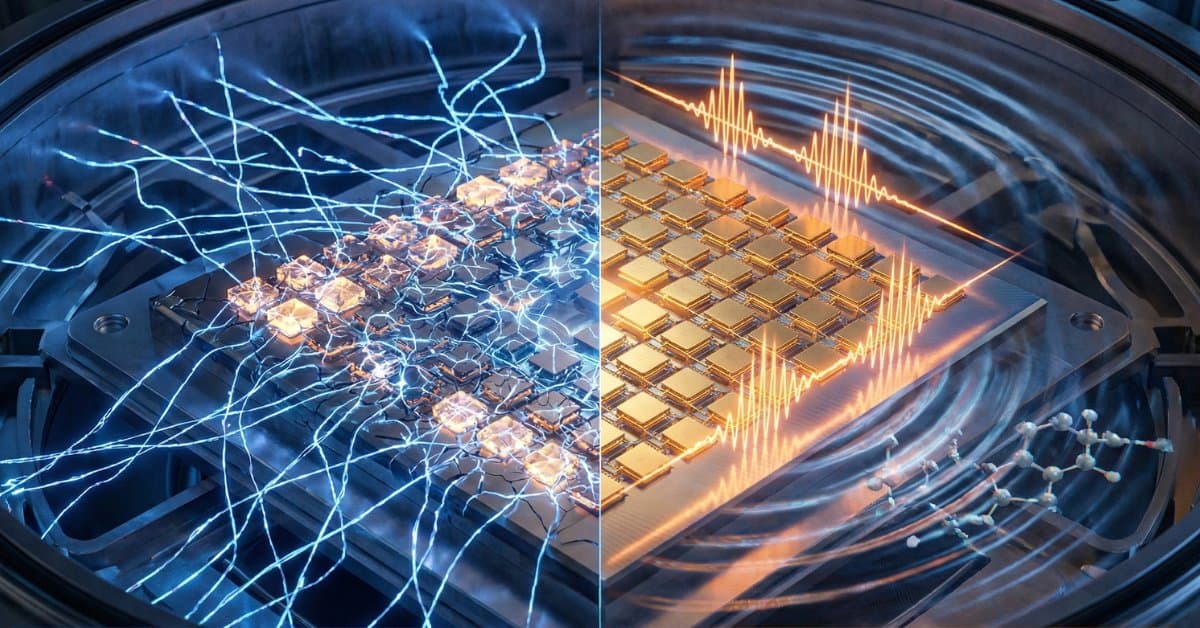
A chip that grows more accurate still had to prove it could do something useful, so Google’s team built a method called quantum echoes. The team sends a signal through the chip, disturbs one qubit, then reverses everything and listens for the echo that comes back. The method works like sonar at the scale of atoms.
The echo reveals where each atom in a molecule sits and how the atoms connect, details that standard tools do not usually show at this scale. Tests on real molecules showed that the method works outside theory. On this one task, the method also ran about 13,000 times faster than the best conventional computers.
Accuracy that improves with size puts quantum computing on a more credible path to problems built on complex molecular structure. Those problems shape drug discovery, materials development and energy research. Faster answers there could shorten research cycles, perhaps from years to months, and clearer answers could cut the number of failed experiments.
Both would shift cost, time and competitive position, and the shift compounds across every round of a product pipeline. Firms with access to this kind of modeling would be on the faster cycle and would learn more than their rivals. Those firms would get more shots on goal and, over time, better compounds, better materials and better designs.
Conventional computers will hit their limits on certain scientific tasks rather than across the board, and Willow is not ready for deployment.