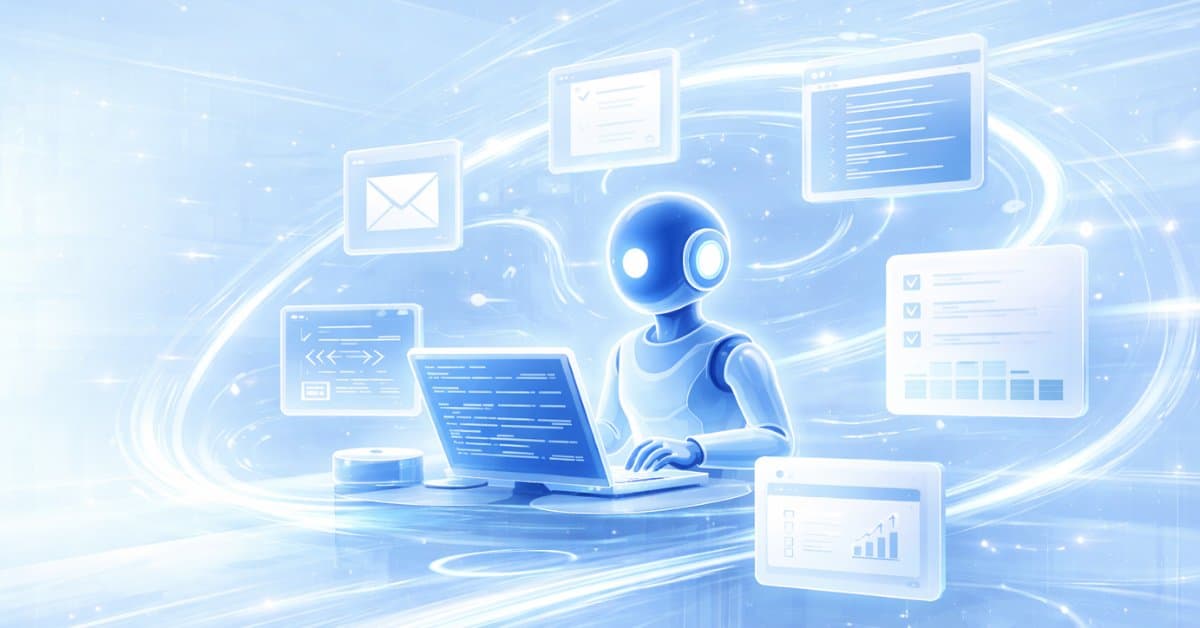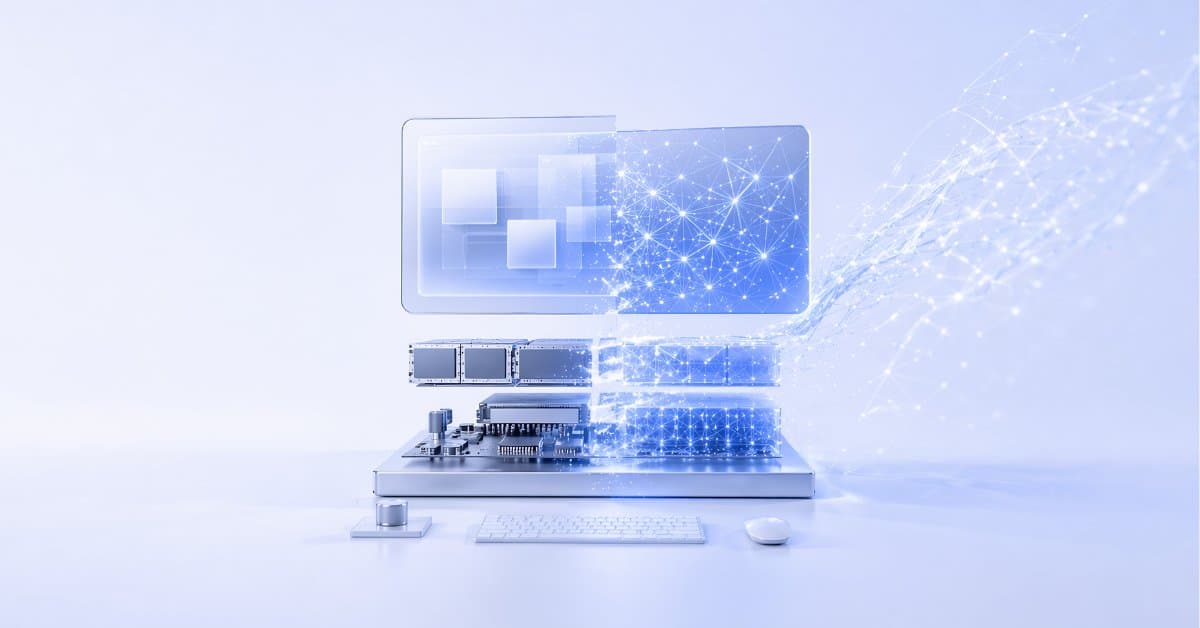
Most work on AI agents, models that carry out tasks on a computer, asks whether a model can use the machine better. A Meta paper asks whether a model can take on parts of the computer itself. A computer calculates, remembers, and handles what goes in and what comes out. The paper tests whether one AI model can learn to do all three in a single running system.
Agents, by contrast, sit on an ordinary machine, where conventional software, tools and operating systems do the real work. In Meta’s version, some of that work would be learned from examples and interaction instead of written in code. The paper calls the long-range goal a Completely Neural Computer.
The prototype learns from recordings of computers in use, without seeing what the programs are doing inside. An accompanying essay describes tests in the terminal, the text window where programmers type commands, and on an ordinary desktop. The terminal work used about 1,100 hours of messy recordings. Most of the desktop recordings showed random use, with 110 hours of real, goal-directed work.
On screen, the results start to look convincing. Terminal windows show plausible colors, cursor movement, typed commands and scrolling text. On the desktop, clicks and small on-screen changes line up over short stretches.
Underneath, the prototype’s logic is weak. The essay says running commands in the terminal has started to hold up, but exact step-by-step logic has not. Even basic arithmetic is unreliable. The prototype can start to copy what a computer looks like before it can reliably do what a computer has to do.
Read one way, the project is misguided. Decades of engineering built processors, memory and operating systems for good reasons, and predicting the next image on a screen does not build a real machine. Read another way, it is one of the few serious attempts to imagine a different kind of machine. The paper’s evidence supports both.
The prototype is no sign that laptops, operating systems or ordinary software will soon be replaced, nor a product to buy or deploy. The paper names what a finished version would have to do: run reliably, accept deliberate reprogramming and keep reusing its skills over time. None of the three has been solved.