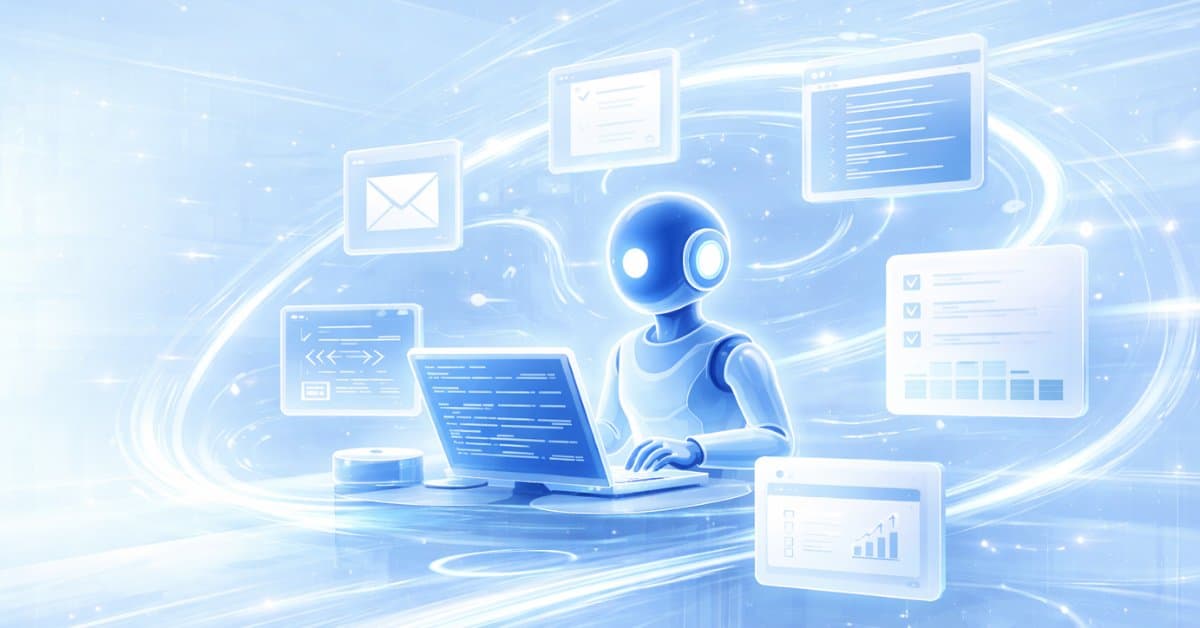
Progress in AI often looks gradual, then arrives all at once, and by early 2026 the biggest jump had come in AI agents. A chat tool helps a person decide what to do. An agent is software that carries the task out, from start to finish across different programs, then returns a result for review. The jump came from two abilities. One is staying on track across many steps, known as long-range planning, and the other is taking actions inside other software, known as tool calling.
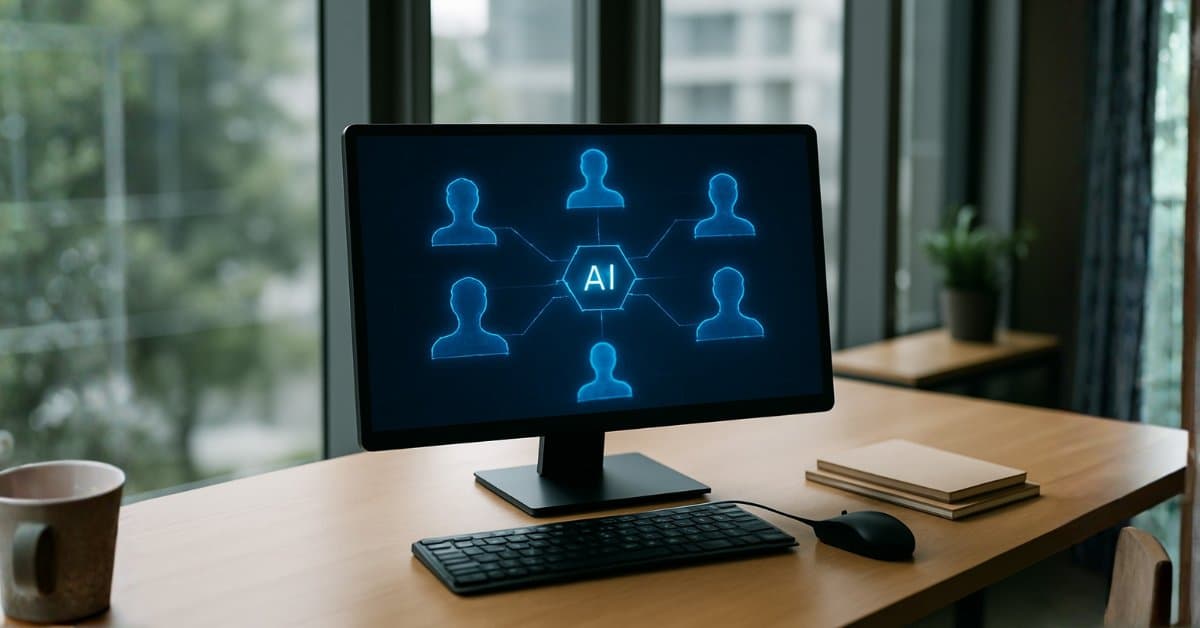
Several agents can also split a job into parts, work on them at the same time and combine the results, in coordinated groups people call “agent swarms”. Software engineering shows the change most clearly, because the work is measurable and already lives in software. Cursor, which makes AI coding tools, describes running coding agents for weeks, with “planners and workers” coordinating the job. In that setup, software manages the long-running work, the coordination and the handoffs.
Builders describe the same change in their own work. In an interview, Andrej Karpathy talks about “vibe coding” and presents agents as a mode where a person says what to build and the agent does the work. He also points out where agents still struggle.
Research on a method called ReAct helps explain why agents that use tools are improving quickly. Models do better when they can look things up, take a step and adjust, instead of guessing in one pass. Errors then get caught during the work, when they are cheaper to fix.
Outside engineering, most modern office work is already a chain of software actions. People pull data, update records, draft documents, reconcile numbers, raise tickets and move tasks between systems. When agents carry out those actions under human oversight, handoff delays shrink and output per person rises, because the work no longer waits for the next human step.
The same pattern is reaching everyday office tools. Anthropic presents its Cowork tool as a way to hand over multi-step tasks on a desktop computer, with access to a person’s files. That brings agents to operations, finance and commercial teams, and to the documents, folders and spreadsheets they work in.